Established Home Builder: Constructing Your Desired Home
Choosing a reliable home builder is a pivotal step in transforming a dream into a concrete reality. This decision can greatly affect the building phase and general satisfaction. Essential qualities such as ability to communicate, professional background, and a strong standing are essential. Recognizing these factors can lead to a more smooth process. However, many homeowners miss critical aspects that can affect their process. What should they consider before making this important choice?
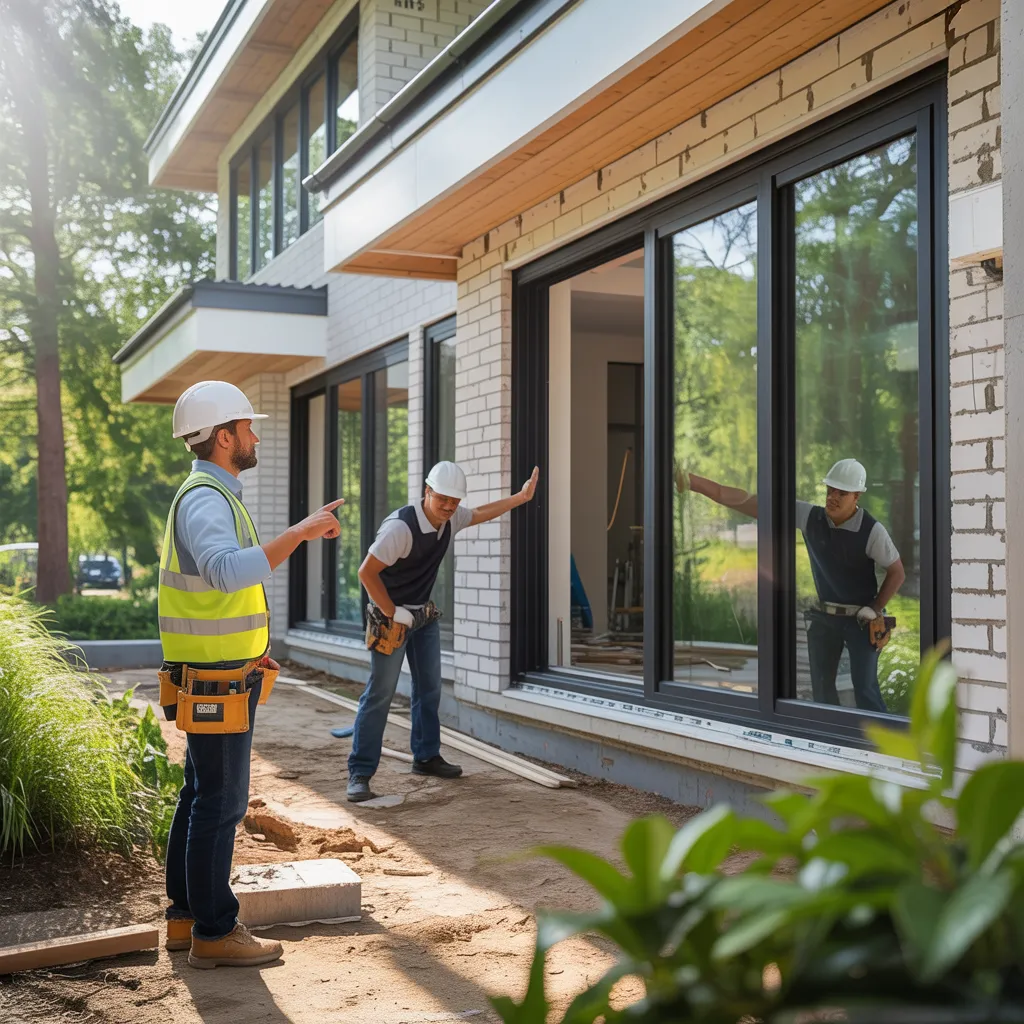
Key Features of a Reputable Home Builder
When evaluating a home builder, the cornerstone of a successful partnership centers on their essential qualities. A reliable home builder shows strong interpersonal skills, maintaining transparency during the construction process. They must possess vast professional experience, which allows them to overcome challenges and deliver excellent results. Careful consideration is yet another vital characteristic; it indicates their dedication to excellent craftsmanship and respect for building codes.
Furthermore, an excellent builder should establish a strong name, grounded by positive reviews and references from previous clients. This trustworthiness is typically created through reliability and responsibility when meeting deadlines and financial parameters. Flexibility likewise serves as an essential component, since a builder must be receptive to client feedback and ready to revise specifications as required. Ultimately, these qualities combine to generate a teamwork-oriented atmosphere, crucial for achieving a customer's concept in reality.
Perks of Opting for the Best Builder for Your Dream Home
Choosing the right contractor significantly improves the home building process, translating visions into tangible results. A skilled builder not only brings professionalism and expertise but also guarantees adherence to timelines and budgets. This reliability fosters peace of mind for homeowners, knowing their investment is in trustworthy hands.
Additionally, a reputable builder often has established relationships with vendors and trade partners, leading to superior materials and workmanship. This can result in a more durable and efficient home, ultimately reducing long-term maintenance costs.
In addition, the right builder offers valuable insights during the conceptual stage, tailoring the home to accommodate distinct requirements learn now and choices. Their grasp of municipal rules and building codes can simplify the authorization process, minimizing setbacks.
In the final analysis, picking the appropriate builder establishes a sturdy foundation for a successful project, raising happiness and assuring that the desired residence materializes a reality.
What Lies Ahead During Your Home Building Journey?
What might homeowners experience during the building venture? The process starts with an initial consultation, where homeowners present their aspirations and financial parameters with the building professional. This stage often incorporates location selection and securing essential approvals, which can take time and call for patience.
Once planning is underway, construction stages start, involving groundwork, building the frame, and installing utilities. Homeowners should expect regular progress reports and monitoring visits to monitor progress. Challenges may arise, such as delays caused by weather or material scarcities, which are expected in the building process.
As the assignment concludes, homeowners will participate in final inspections, making certain everything fulfills their expectations. This journey concludes in the exciting moment of claiming the keys to their new home. Throughout this process, candid communication with the builder is fundamental to overcome challenges and promise that the final result accords with the homeowner's vision.
Important Questions to Scrutinize Your Home Builder
When selecting a home builder, it's essential to evaluate their experience and credentials to ensure they have a solid history of success. Additionally, examining their responsiveness and communication skills can provide insight into how efficiently they will oversee the construction process. Posing the appropriate inquiries can help prospective homeowners make informed decisions.
Experience and Credentials
For potential home buyers beginning the process of constructing their ideal residence, comprehending a contractor's qualifications and background becomes crucial. Assessing a builder's track record is important; time spent in the field often demonstrate dependability and skill. Homeowners should inquire about finished work, focusing on craftsmanship and aesthetics that align with their vision. Credentials and permits further confirm a builder's dedication to professional norms and regulations. Additionally, looking into memberships in professional organizations can shed light on the contractor's dedication to continuous learning and quality standards. Homeowners should also seek testimonials from previous customers to gauge contentment and results. Ultimately, evaluating qualifications and background establishes a solid basis for a successful building partnership.
Interaction and Responsiveness
How well a builder communicates can largely impact the home-building experience. Potential homeowners need to assess a builder’s responsiveness during initial inquiries. Consider the following questions: How quickly does the builder return calls or emails? Are they ready to meet personally to discuss project details? Good communication does not just fosters trust but also ensures that expectations are aligned. Also, inquire about how updates are provided during the construction process. Do homeowners get consistent progress reports? Is there a system in place to handle concerns? If a builder is willing to communicate openly and consistently, it can demonstrate their dedication to customer satisfaction. Ultimately, clear communication and responsiveness are essential for a smooth and successful home-building journey.
How to Analyze Home Builder Reviews
What points should one think about when analyzing home builder reviews? First, it is important to evaluate the source of the reviews. Credible websites or sites with authentic user experiences enhance trust in the remarks. Next, potential homeowners should identify recurring themes in the reviews. Consistent feedback pertaining to workmanship, communication, and speed can provide insight on the builder's credibility.
Moreover, distinguishing subjective opinions from objective facts is essential. Comments about personal experiences may differ, but specific details about quality of work or finishing a project can deliver valuable insights.
Further, the pace of the reviews holds importance; recent feedback often reflects a builder's current performance and practices. Finally, factor in the overall rating along with individual reviews, as a high average may indicate a generally favorable image despite a few negative experiences. By meticulously evaluating these factors, one can make a more strategic decision when selecting a home builder.
Approaches for Constructing a Stable Relationship With Your Builder
Building a durable relationship with a home builder relies on effective communication and unambiguous expectations. Opening channels for dialogue helps both groups to present concerns and updates through the construction process. Moreover, formulating specific expectations from the outset supports a collaborative environment, enhancing overall project satisfaction.
Create Messaging Channels
Effective communication acts as the basis of a successful relationship between homeowners and builders. Setting up clear communication channels builds openness and trust throughout the construction process. Homeowners should focus on regular check-ins, using various methods such as emails, phone calls, or in-person meetings to make sure that concerns are addressed promptly. Builders, in turn, should provide updates on project progress and any potential challenges, encouraging a two-way dialogue. This proactive approach helps to minimize misunderstandings and promotes a team-oriented atmosphere. Additionally, homeowners should feel comfortable voicing questions or suggestions, while builders should remain receptive and responsive. By nurturing these open lines of communication, both parties can work together effectively, ultimately leading to a more fulfilling home-building experience.
Establish Explicit Expectations
When homeowners and builders establish transparent communication from the outset, the basis for a solid partnership is established. This clarity helps both parties comprehend project timelines, budget constraints, and design preferences, minimizing misunderstandings. Homeowners should articulate their vision and priorities, while builders must communicate feasibility and possible obstacles. Frequent meetings throughout the project ensure that any modifications are made collaboratively. Creating a comprehensive agreement that outlines duties, deadlines, and payment schedules further strengthens this comprehension. By prioritizing transparency, both homeowners and builders can foster trust and responsibility. In the end, establishing transparent guidelines not only improves dialogue but also supports a smoother construction process, resulting in the fulfillment of the homeowner's ideal residence vision.
Popular Questions Asked
What Timeframe Should You Anticipate for the Home Building Process?
The home building process typically takes six to twelve months, based on elements such as design complexity, permit approvals, and weather conditions. Each undertaking differs, affecting overall timelines and project completion significantly.
What Financing Plans Are Offered for Home Construction?
Numerous financing options for home construction include conventional loans, FHA loans, construction-to-permanent loans, and personal loans. Each option provides varied terms and conditions, letting individuals to choose based on their financial situation and project requirements.
Is it Possible to Modify Options Throughout the Building Phase?
Yes, changes can typically be made during the construction period. However, the range and possibility are contingent on the project's stage, budget implications, and the builder's standards, requiring clear communication between the homeowner and the builder.
What Guarantees Do Builders Generally Offer After Completion?
Builders commonly offer warranties addressing structural defects, workmanship, and materials for a set period, often ranging from one to ten years. These warranties guarantee coverage against potential issues that may surface after the completion of the construction.
In What Ways Do Construction Delays Get Communicated to Homeowners?
Construction delays are ordinarily relayed to homeowners through regular communications via email or phone calls. Builders can also submit written notices describing the causes of delays, estimated timelines, and remedial steps being pursued to rectify these issues.